Leave Me Alone vs Clean Email for Subscriptions: Which Manages Better?

The short answer
Leave Me Alone is better if you want to be genuinely removed from mailing lists, because it follows the real unsubscribe link and the removal survives cancelling your plan. Clean Email is better if you want ongoing enforcement, because it keeps blocking senders who ignore the request and bulk-cleans old mail.
Leave Me Alone vs Clean Email for subscriptions: which really removes you from lists, which keeps enforcing it, and which one fits your inbox.
On this page
- 01The verdict up front
- 02At a glance
- 03Where Leave Me Alone wins
- 04Why permanence matters more than it sounds
- 05Where Clean Email wins
- 06Does Clean Email keep unsubscribing over time?
- 07How each one verifies that an unsubscribe worked
- 08Pricing model: credits are the outdated part of the story
- 09Managing subscriptions across several accounts
- 10Who each one is genuinely for
- 11A third option, honestly
- 12What neither tool can fix
Almost every Leave Me Alone vs Clean Email comparison for subscriptions scores the same four things: how many newsletters each one finds, how fast the list loads, how many providers are supported, and what the plans cost. Those are all close to a tie, which is why most of those pages end without a real verdict.
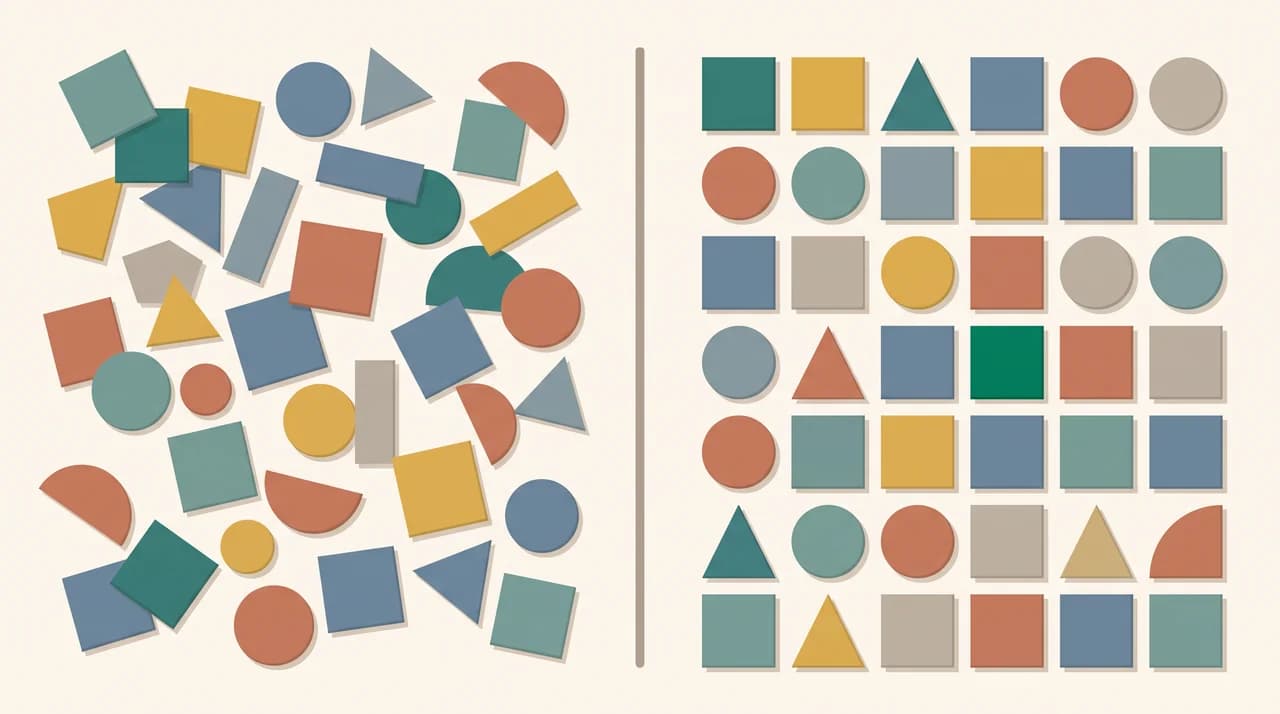
There is a sharper axis, and it decides which tool you should buy. The two products do different things to a mailing list. One removes you at the source. The other keeps the mail out of your inbox from inside your mailbox. That difference is invisible on day one and very visible six months later.
This post compares them on that axis, on discovery, on what happens to senders who ignore the law, on provider coverage, and on packaging shape. Everything below was checked against each vendor's own live pages in September 2026.
The verdict up front#
Pick Leave Me Alone if your goal is to actually be off the list. It follows the real unsubscribe link, and where a sender offers no link it sends an unsubscribe request by mail on your behalf. Its own site makes the durability claim plainly: you will never receive them again, even if you stop using the service. That is a removal you take with you.
Pick Clean Email if your goal is an inbox that stays clean regardless of whether the sender complies. Clean Email sends the unsubscribe request and then blocks mailing lists and senders who do not respect it, routing their later messages to Trash. It also cleans the thousands of old messages those lists already left behind, which Leave Me Alone does not set out to do.
The honest scope of that verdict: this is a comparison of two subscription tools, not of two mail clients. Neither one changes how you read, reply to or triage the mail you do want. If your problem is the volume of legitimate mail rather than the newsletters, neither product is the answer, and the last section says so plainly.
The one question that decides it
At a glance#
Both vendors change features and packaging, so verify anything here against their own pages before you buy. The table describes shape and mechanism, not price.
| Dimension | Leave Me Alone | Clean Email |
|---|---|---|
| Core job | Get you off mailing lists | Keep the whole mailbox clean, unsubscribing included |
| How it unsubscribes | Follows the unsubscribe link; mails a request when no link exists | Sends the request, then blocks senders who ignore it |
| Senders who keep sending | Not its job once the request is made | Later messages redirected to Trash |
| Survives cancellation | Yes, the list removal is at the sender | The unsubscribe request does; the blocking rule does not |
| Old mail already in the inbox | Not the focus | Bulk cleanup, Smart Folders, Auto Clean rules |
| Ongoing layer | Screener for new senders, Rollups digests, do-not-disturb, priority senders | Auto Clean rules, Screener, Pause, Keep Newest, Read Later summary |
| Provider coverage | Google, Microsoft, Fastmail, Yahoo, iCloud, AOL and any IMAP mailbox | Gmail, Yahoo, Hotmail, AOL, company mail and other providers |
| Apps | Web plus mobile apps | Web, iOS and iPadOS, Android, macOS |
| Email bodies read | Metadata used to find the unsubscribe route; content not stored | Headers and envelope only; bodies never downloaded |
| Packaging shape | Free allowance, a one-off timed pass, or monthly and yearly plans tiered by account count | Free allowance, a time-limited full-feature trial, then subscription tiers with multi-account support |
Where Leave Me Alone wins#
Its advantage is that the work is done outside your mailbox, at the sender, and therefore it is permanent and portable.
- The unsubscribe is real. Leave Me Alone follows the unsubscribe link rather than filtering the mail. The list drops you.
- It handles the no-link case. When a sender provides no unsubscribe route, it sends a request by mail on your behalf from a unique address that identifies your subscription.
- The result outlives the subscription. The vendor states you will never receive those emails again even if you stop using the service. Nothing else in this category makes that claim as directly.
- IMAP is named explicitly. The support list covers Google and Microsoft accounts, Fastmail, Yahoo Mail, iCloud, AOL, and all other mailboxes that work with IMAP.
Why permanence matters more than it sounds#
Filtering and unsubscribing feel the same in week one. Both make the newsletter stop appearing. They diverge the moment you change tools, change mail apps, or stop paying.
A filter is a rule that has to keep running somewhere. A list removal is a change in someone else's database. If you switch from Gmail to Fastmail next year, your filters do not come with you, and the list removal does.
That is also why Leave Me Alone can be bought as a one-off burst of work rather than an indefinite commitment. Its timed pass exists because the core job genuinely has an end state.
Do the sender-side work first
Where Clean Email wins#
This is the concession, and it is a real one. On everything that happens after the unsubscribe request is sent, Clean Email is the stronger product, and on the mess already sitting in your mailbox it is not close.
- It enforces. Clean Email sends unsubscribe requests on your behalf and blocks mailing lists and senders who do not respect such requests, sending their later mail to Trash. That covers the senders who quietly ignore the request and the ones inside a grace period.
- It cleans the backlog. Smart Folders and Cleaning Suggestions group old, social and bulk mail so you can remove, archive, move or label thousands of messages at once instead of one at a time.
- It keeps working unattended. Auto Clean applies your chosen rules and actions to mail arriving in future, which is the difference between a cleanup and a maintained inbox.
- It has options short of leaving. Pause temporarily blocks a sender without unsubscribing. Keep Newest holds from one to seven of the latest messages and clears the rest. Read Later gathers the rest into a daily or weekly summary.
- It is on more surfaces. Web, iPhone and iPad, Android and macOS, so the cleanup is available wherever you notice the problem.
Does Clean Email keep unsubscribing over time?#
This is the question behind most searches on the pairing, and the answer has two halves.
Yes in the sense that matters day to day. Once you have unsubscribed from a sender in Clean Email, it keeps that decision enforced against future messages from that sender, including senders who never honour the request. It does not quietly stop after the first attempt.
No in the sense that it does not go looking on its own. New subscriptions you sign up for still appear in the Unsubscriber list for you to act on, and the Screener exists precisely because unknown senders keep arriving. Neither tool decides for you that a new newsletter is unwanted.
How each one verifies that an unsubscribe worked#
Verification is the weakest documented area in this whole category, and it is worth setting expectations honestly.
Leave Me Alone reports the outcome of following the link, so you can see which requests went through and which route was used. Older reviews describe screenshot evidence of the unsubscribe page; treat the current detail as something to confirm in the product rather than a promise, because this part of the interface has changed across versions.
Clean Email takes the opposite approach to the same problem. Rather than proving the request succeeded, it assumes some will fail and blocks the sender so the outcome is the same from your side. That is arguably the more reliable design, and it is also why it needs to keep running.
Neither vendor publishes a success-rate figure, and you should be sceptical of any comparison that quotes one. A published unsubscribe success rate would need every sender in the world to behave consistently, and they do not.
Watch out for stale reviews
Pricing model: credits are the outdated part of the story#
If you have read older comparisons you probably expect Leave Me Alone to be sold in credits, where one credit buys one unsubscribe. That is the model most reviews still describe, and it is no longer what the live pricing page shows.
As of September 2026, Leave Me Alone's published packaging is a free allowance of unsubscribes with no card required, a one-off pass that gives unlimited unsubscribes for a fixed window, and monthly or yearly plans. The tiers are separated by how many email accounts you can connect, not by how many unsubscribes you get, and every paid tier lists unlimited unsubscribes. So the answer to credits versus subscription pricing is that the choice is now between a one-off pass and a subscription.
Clean Email's shape is a conventional subscription. There is a free allowance for cleaning a limited number of messages, a time-limited trial of the full feature set, and then paid tiers. Multi-account support is part of the product rather than an upsell on every plan, which matters if you are the person cleaning up mail for a household.
Both vendors change prices and plan names. Verify current pricing on their own pages before you buy. We deliberately do not print either vendor's numbers here, because a stale price in a comparison is worse than no price at all.
Managing subscriptions across several accounts#
If you have one mailbox, this section does not apply. If you have four, it is the deciding factor, because the account limit is where both products' pricing actually bites.
Leave Me Alone gates account count by tier, so the personal-archive case of one work address, one personal address and two old ones sits at a different tier than a single mailbox. Its IMAP support is the practical advantage here, because the old accounts people want to clean are often the ones on a small or legacy host.
Clean Email includes multi-account handling broadly across its plans, which suits the same situation from the other direction: one subscription, several mailboxes, the same rules applied to all of them.
One caution for both: an unsubscribe is per address. Being removed from a list on your work address does nothing for the copy going to your personal one, because as far as the sender is concerned those are two subscribers.
Who each one is genuinely for#
| If this is you | Choose | Because |
|---|---|---|
| You want a weekend of work that stays done | Leave Me Alone | Real list removals plus a timed pass means you can finish and stop paying |
| Your inbox has years of accumulated bulk mail | Clean Email | Bulk cleanup and Smart Folders handle the backlog, not just the future |
| Senders keep mailing you after you unsubscribe | Clean Email | It blocks non-compliant senders and routes them to Trash |
| You are changing mail providers soon | Leave Me Alone | List removals move with you; mailbox rules do not |
| You want fewer newsletters but not zero | Either, leaning Clean Email | Pause, Keep Newest and Read Later are finer-grained than Rollups alone |
| Your accounts are on small or self-hosted IMAP hosts | Leave Me Alone | IMAP support is stated explicitly on the vendor's own support list |
| The real problem is the mail you actually need to answer | Neither | Both tools work on bulk mail; see the next section |
A third option, honestly#
We build AI Emaily, and the honest position here is that it is not a competitor to either product on this specific job. AI Emaily does not run a bulk unsubscribe sweep of your mailing lists, and if that is your task, one of the two tools above is the right purchase. We are not going to pretend otherwise on a page about subscriptions.
Where we sit is the layer after the newsletters are gone. Once the bulk mail stops, what is left is the mail that came from a person and expects an answer, and that is a different problem from a full inbox. AI Emaily is an email client with a cold-email filter that keeps unsolicited outreach out of the inbox based on sender behaviour rather than one address at a time, plus AI spam and phishing defence and drafting that follows a Personal Context brain and per-client profiles you set yourself, not anything inferred from your old mail.
The limit stated plainly: a cold-email filter is not an unsubscriber. Filtering a sender leaves you on their list, which is exactly the distinction this post has spent two thousand words making. If you want both, the sensible order is to run the real unsubscribes first with one of the tools above, then decide whether the remaining human mail needs a better client. Ours is at aiemaily.com, with plans and the seven-day trial on the pricing page.
What neither tool can fix#
Both products are limited by the same thing: a mailing list is a database you do not control. An unsubscribe is a request, and a block is a workaround for the requests that are ignored.
Two habits do more than either tool. Use a distinct address or alias when a site demands one for a download, so a leak has a name attached. And when a list is genuinely worth reading, keep it, because a tool that removes everything just trains you to sign up again.
Frequently asked
See it in AI Emaily
Keep reading
Sources

Written by
Nafiul HasanNafiul Hasan is an entrepreneur and AI automation system builder with 10+ years of experience turning messy, manual workflows into reliable automated systems. He designs and ships AI enterprise solutions end-to-end — the agent logic, the data plumbing, and the product people actually use — and founded AI Emaily to give busy professionals their attention back. He writes here from the builder's seat: what works, what breaks, and how to put AI to work without giving up control.