The Outlook Sync Issues Folder: What the Errors Actually Mean

The short answer
The Sync Issues folder is a built-in, local folder classic Outlook creates to log synchronization problems, split into Conflicts, Local Failures and Server Failures. Its contents are local logs and duplicate copies, not your real mail, so deleting them is safe — it won't remove anything from the server or from any other device.
Sync Issues holds local logs — not real mail. Deleting the contents is safe and removes nothing from the server. Explains each subfolder and why it only appears in classic Outlook for Windows.
On this page
If you've switched on Folder List view in classic Outlook and found a Sync Issues folder with hundreds of items inside, you're looking at Outlook sync issues folder errors, not lost mail. Outlook creates this folder automatically for any account that uses an offline data file (a .ost), and it splits the log into three subfolders — Conflicts, Local Failures and Server Failures — to record the items it couldn't reconcile between your machine and the server.
Most of what lands there is noise: a deletion Outlook already caught up on, a duplicate created by editing the same message on two devices. A smaller share points to a genuine, ongoing sync problem. This guide shows you how to tell the difference and how to clear the folder safely once you know.
Two things matter before you touch anything. First, Sync Issues is local — it lives in your Outlook data file, not on the mail server, so nothing here deletes real mail from Exchange, IMAP or any other account type. Second, it's specific to classic Outlook for Windows; new Outlook and Outlook on the web don't expose this folder because they don't use the same offline-file architecture. If you're on new Outlook and can't find it, skip ahead to the platform differences table.
Before you start#
You don't need admin rights or a support ticket for any of this — it's a client-side cleanup that takes a few minutes. Confirm these first so you're not chasing a folder that isn't there.
- You're in classic Outlook for Windows, not new Outlook or Outlook on the web — the Sync Issues folder only exists in the classic, OST-based client.
- Your account uses Cached Exchange Mode or an offline data file — both Exchange and IMAP accounts qualify. A POP account with no offline cache generally won't build one up.
- Folder List view is turned on — View > Folder Pane > Folder List, or the folder icon in the bottom-left of the navigation bar. Sync Issues is hidden from the default Mail view.
- You're not right after a mailbox move or a new profile setup — a backlog immediately following a migration is expected and usually clears within a day or two on its own.
How to check the Sync Issues folder and clear it safely#
- 1
Open the Sync Issues folder
Switch to Folder List view, then expand your account down to Sync Issues near the bottom of the list. You'll see the three subfolders — Conflicts, Local Failures and Server Failures — plus, sometimes, log items sitting directly in Sync Issues for errors that aren't tied to one specific item.
- 2
Read a handful of items before you judge the whole folder
Double-click several entries. Each names the folder and item it affected, with a plain-language reason. 'Synchronization of some deletions failed' is one Microsoft documents explicitly as safe to ignore when the item it refers to no longer exists on the server anyway.
- 3
Sort Conflicts by hand
Conflicts holds duplicate copies of the same item edited in two places before either change could sync — your phone and your desktop, most often. Open the original item, use the conflict banner at the top to compare versions, and keep the one you want; Outlook removes the other once you resolve it.
- 4
Treat Local Failures and Server Failures as one-way logs
Local Failures means Outlook couldn't push a local change up to the server; Server Failures means it couldn't pull a server change down to you. Outlook keeps retrying both automatically, so an item sitting in either folder for a few minutes isn't the problem by itself — one still there and still failing a day later is worth a closer look.
- 5
Clear the confirmed noise
Select the log items you've checked and press Shift+Delete to remove them permanently. A normal delete just moves them to Deleted Items, where they still count against the same local storage. Emptying the whole folder is fine once you've spot-checked a sample and none of it points to a live problem.
- 6
Set it to clean itself up
Right-click Sync Issues, or a subfolder, choose Properties, then AutoArchive. Select 'Clean out items older than' a set number of days and set the action to permanently delete rather than archive. That stops the folder from silently growing again next month.
Does the Sync Issues folder eat your mailbox quota?#
No, and this is the most common misunderstanding about it. Sync Issues lives inside your local Outlook data file, not on the mail server, so its contents don't count against an Exchange Online or Microsoft 365 mailbox quota the way a bloated Inbox does.
What it does affect is your local .ost file size, which can grow substantially on an account with years of intermittent sync trouble. A larger .ost means slower search, slower folder switching, and a longer wait if you ever have to rebuild it — a real cost, just not the one 'taking up space' usually implies.
If your account is genuinely near its server-side quota, that's a separate problem with a separate fix: archive or delete real mail, or ask an admin to raise the limit. Clearing Sync Issues won't move that number.
Where this folder exists, by platform#
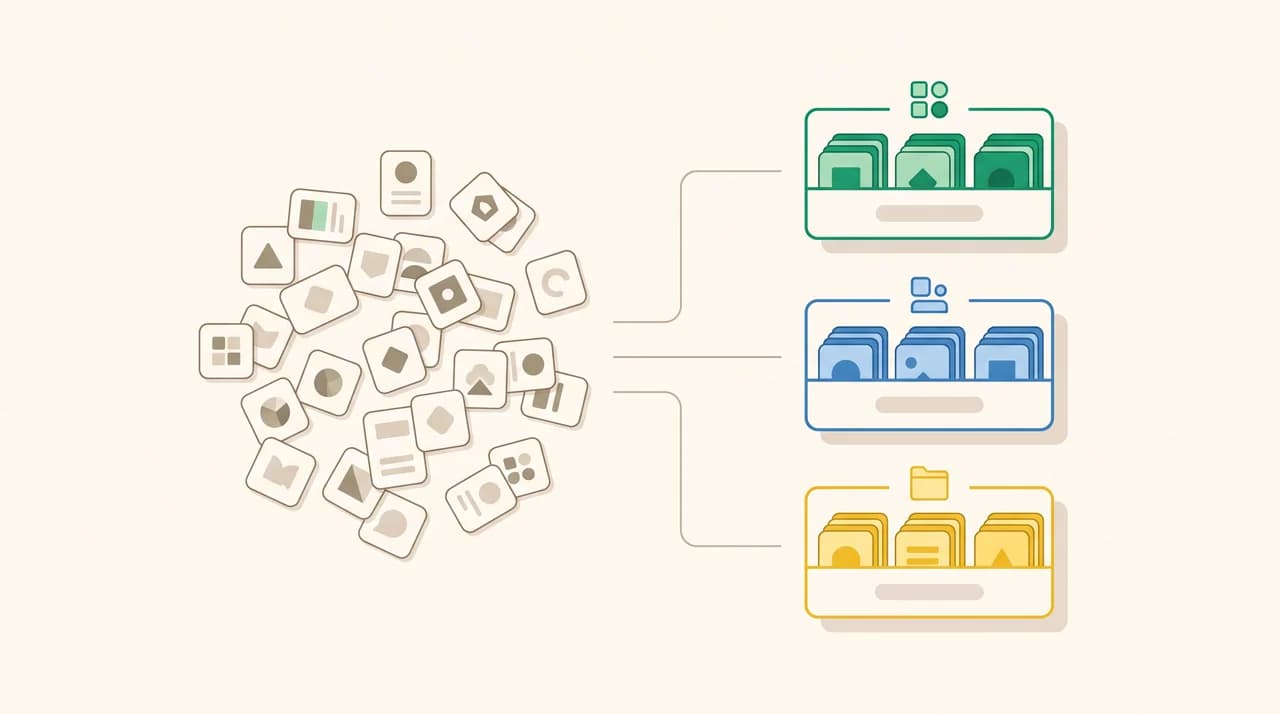
The Conflicts, Local Failures and Server Failures structure is a classic-Outlook-for-Windows feature. It comes from the older MAPI/OST sync engine, and the newer clients don't reproduce it — they surface the same underlying problems differently.
| Platform | Has a Sync Issues folder? | Where errors show instead |
|---|---|---|
| Classic Outlook for Windows | Yes — Conflicts, Local Failures, Server Failures | Not applicable, this is the folder |
| New Outlook for Windows | No | An inline banner on the affected folder, plus Clear Offline Items in folder Properties |
| Outlook on the web (OWA) | No | Not applicable, there's no local cache to fall out of sync with |
| Outlook for Mac | No, different sync architecture | Inline error banners on the affected item or folder |
| Outlook mobile (iOS/Android) | No | A retry banner in the app; no persistent error log |
When it's not noise — fixing a real sync problem#
A few signals do mean an actual replication problem rather than routine cleanup:
- The same item reappears in Local Failures or Server Failures after you delete the log entry and force a fresh sync.
- A folder's item count in Outlook never matches the server's count — check this under the folder's Properties, then the Synchronization tab, comparing 'Server folder contains' against 'Offline folder contains.'
- New mail stops arriving in one folder while the rest of the account keeps syncing normally.
- Errors mention a specific, recurring cause, such as a mailbox rule conflict, a retention hold, or an item too large to upload.
Before you delete the .ost file
When one of those is true, the fix isn't in Sync Issues at all — it's a genuinely out-of-step offline data file. Force a full resync first: right-click the account, choose Send/Receive All Folders, and let it run uninterrupted. Microsoft's own guidance notes that a large mailbox that hasn't synced in a while can take more than 30 minutes to catch up.
If the counts still don't match afterward, close Outlook, then rename or delete the .ost file so Outlook rebuilds it from the server on next launch, and let the initial sync finish before you judge it again.
A faster way to stop triaging this folder#
Everything above is a manual routine you'll repeat every few months for as long as you run classic Outlook with an offline cache — that's just how the architecture works. If you're tired of being the one who reads sync logs to tell noise from a real problem, that triage is exactly the kind of background maintenance an email agent can absorb instead of you.
AI Emaily connects to your existing Outlook, Gmail or IMAP account and handles triage, filing and follow-ups from one inbox, so a sync hiccup on one account doesn't become your afternoon. We build AI Emaily, and it isn't a replacement for Outlook's own sync engine — it's a layer that means you're not the one babysitting it. Start a 7-day free trial at aiemaily.com and see how much of this maintenance actually falls away.
Frequently asked
See it in AI Emaily
Keep reading
Sources

Written by
Nafiul HasanNafiul Hasan is an entrepreneur and AI automation system builder with 10+ years of experience turning messy, manual workflows into reliable automated systems. He designs and ships AI enterprise solutions end-to-end — the agent logic, the data plumbing, and the product people actually use — and founded AI Emaily to give busy professionals their attention back. He writes here from the builder's seat: what works, what breaks, and how to put AI to work without giving up control.