How to Remove Your Email Address From Data Broker Lists

The short answer
Find your listings on people-search sites and data brokers, then submit each opt-out through that company's own removal page. California residents can send one request through the state's DROP platform. Opt-outs work, but records often reappear after the next data refresh, so plan to redo them every few months.
How to remove your email address from data broker lists: find your listings, file each opt-out, use California's DROP, and why records relist.
On this page
If unwanted email keeps arriving no matter how often you unsubscribe, the source is usually a layer above any single mailing list. Data brokers and people-search sites compile contact records — including your email address — from public records, purchases, apps and past breaches, then resell them to marketers and list buyers.
To remove your email address from data broker lists, you opt out at each broker, or use a statutory deletion right where one applies, and then repeat the request after the next data refresh. This is the only route that reduces the supply of new senders instead of reacting to each message. It slows the inflow rather than stopping it in one move — and this guide covers why, and what to do about the mail that still gets through.
The short answer#
There are two routes, and most people use both. The first is a per-broker opt-out: you find your listing on a people-search site or data broker, submit its own removal form, and confirm by email or phone. The second is a statutory or centralized right — a legal request that forces a business to delete what it holds.
Neither is permanent on its own. Brokers rebuild their files from fresh public and commercial data, so a record you removed can reappear at the next refresh. Treat a data broker opt-out as maintenance you redo every few months, not a one-time fix.
This is not the same as unsubscribing
Before you start#
You cannot opt out of a listing you cannot find. Start by searching your own name, email address and phone number, and note every site that shows a profile with your details. Common people-search sites include Whitepages, Spokeo, BeenVerified and Radaris; large marketing brokers such as Acxiom sit behind the scenes and rarely surface in a search at all.
Breaches feed this ecosystem, so it helps to know where your address has already leaked.
- Check exposure first. Search your address on Have I Been Pwned to see which breaches it appeared in — leaked lists are a common broker input.
- Gather what forms ask for: the exact URL of your listing, an email address you can check for a confirmation link, and sometimes a phone number for verification.
- Expect exceptions. Data drawn from government records is often outside deletion rights, so some entries may stay even after a valid request.
- Keep a log — broker name, date filed, and confirmation — because you will be redoing these.
Steps to remove your email address#
- 1
Find every listing
Search your name, email and phone. Write down each site and the direct URL of your profile page — most opt-out forms ask you to paste that URL back in.
- 2
Open the broker's own opt-out page
Go to the removal or 'suppression' page on the company's own domain, not a third-party site offering to do it. Acxiom, for example, runs its consumer opt-out at acxiom.com/optout.
- 3
Submit and confirm
Enter your listing and a valid email. Most brokers send a confirmation link you must click for the request to count — Acxiom, for one, validates by email and processes within about two weeks.
- 4
Use a statutory right where you have one
California residents can delete under the CCPA/CPRA or file one request to all registered brokers via the state's DROP platform. In the EU and UK, Article 17 of the GDPR gives a right to erasure when a listed ground applies.
- 5
Log it and set a reminder
Record what you filed and diarize a recheck in three to six months. Because brokers rebuild from new data, relisting is the normal outcome, not a sign you did it wrong.
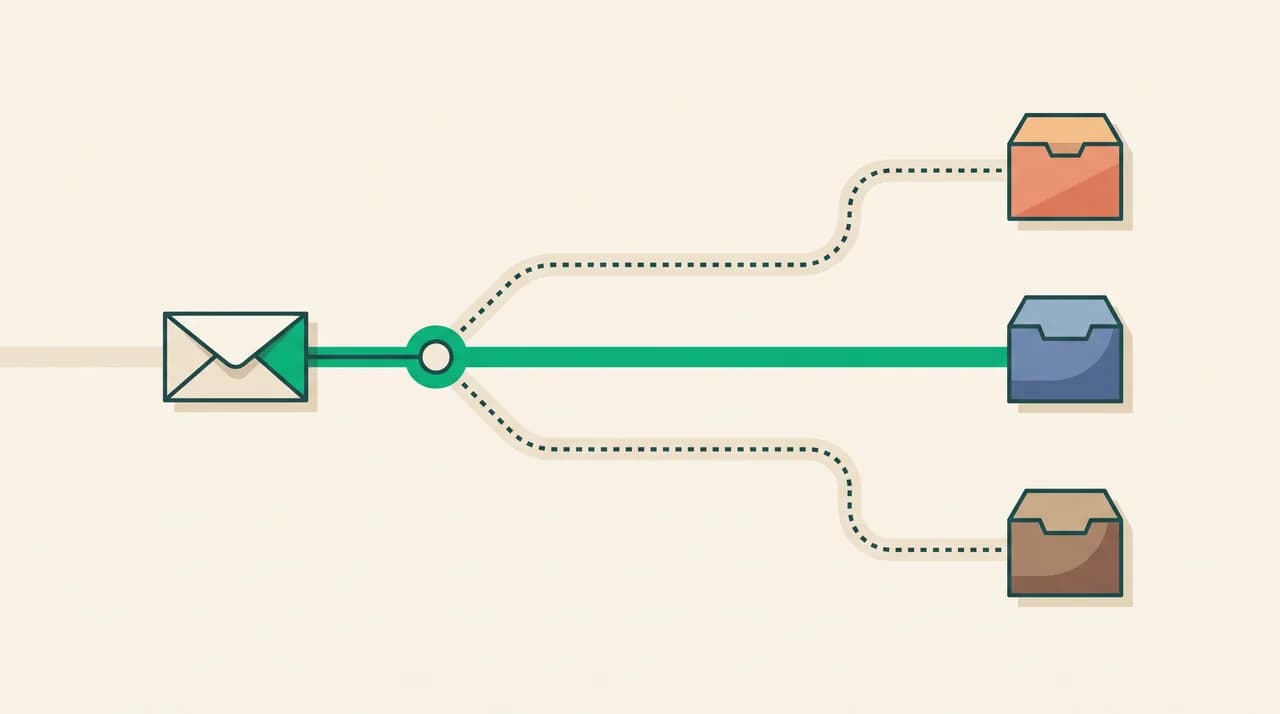
How the removal routes differ#
The route you use changes what it covers and how well it sticks. Verify the current process on each company's or regulator's own page before you rely on it — these programs change, and details below are accurate as of July 2026.
| Route | What it covers | How you submit | Does it stick? |
|---|---|---|---|
| Per-broker opt-out form | One site at a time | Find your listing, submit its URL, confirm by email or phone | Often relists after a data refresh — redo periodically |
| California DROP (Delete Act) | All registered data brokers in one request | One request through the state platform (California residents) | Brokers must process requests on an ongoing basis |
| CCPA / CPRA deletion | A specific business's collected data | A deletion request to that business | Strong, but public-record data is often exempt |
| GDPR erasure (Article 17) | A controller processing your data (EU / UK) | An erasure request to the controller | Applies when a listed ground fits; exceptions apply |
| Paid removal service | Many brokers, monitored over time | You delegate; the service files and refiles for you | Recurring by design — you are paying for the repetition |
A note on statutory rights and timing#
California's DELETE Act created DROP, a single platform where residents submit one deletion request that reaches every registered broker. As of January 2026 residents can submit through DROP, and registered data brokers must begin processing those requests by August 1, 2026.
The CCPA and CPRA separately let California residents ask a business to delete personal information it collected, though the state Attorney General notes that information lawfully drawn from government records is often outside that right. In the EU and UK, GDPR Article 17 gives a right to erasure on grounds such as withdrawn consent or unlawful processing — with exceptions for legal obligations, legal claims and freedom of information.
What to do when it doesn't work#
A request can stall in a few predictable ways. Knowing which one you are hitting tells you how to escalate.
- It relisted. Expected. Refile the opt-out; the record was rebuilt from a fresh data pull, not restored on purpose.
- No confirmation arrived. Some brokers only act on a clicked link. Check spam, resubmit, and use the phone or mail option if one is offered.
- They claim a public-record exemption. Ask specifically for deletion of non-public data they added, and use a statutory request in writing rather than the marketing opt-out form.
- No response at all. For a covered business, escalate with a formal CCPA or GDPR request and, if ignored, complain to the FTC or your state Attorney General.
Use the broker's own page
A faster way for the mail that still arrives#
Opting out upstream lowers how many new senders can find your address, but two things stay true. The opt-out has to be redone after each data refresh, and any sender who already bought your address keeps emailing until their own list ages out. That second half is the part a removal request cannot reach.
AI Emaily is an email client we build, and it works on the mail that lands in your inbox — not the broker record behind it. Its spam and cold-email filtering matches on sender behaviour and sending domain rather than one address, so unsolicited outreach is held out of the inbox while your opt-outs are still propagating. It does not remove you from any broker list, and it will not — that job stays yours. We build AI Emaily.
Frequently asked
See it in AI Emaily
Keep reading
Sources

Written by
Nafiul HasanNafiul Hasan is an entrepreneur and AI automation system builder with 10+ years of experience turning messy, manual workflows into reliable automated systems. He designs and ships AI enterprise solutions end-to-end — the agent logic, the data plumbing, and the product people actually use — and founded AI Emaily to give busy professionals their attention back. He writes here from the builder's seat: what works, what breaks, and how to put AI to work without giving up control.