Best Email Software for Solar Installers (2026 Buyer Guide)


The short answer
For a residential solar installer tracking permit, utility interconnection, lender and homeowner threads across a long project, our pick is AI Emaily: it unifies Gmail, Outlook and IMAP, drafts from a Personal Context brain, and chases the AHJ or utility with approval before send. We build it. Aurora Solar and Enerflo own the design-to-PTO workflow.
Best email software for solar installers in 2026: eight tools compared for permit, utility interconnection, lender and homeowner threads across a long project.
On this page
- 01Three different products all get called "solar email software"
- 02What actually lands in a solar office inbox
- 03The interconnection thread is the axis every other guide skips
- 04Why generic contractor guides miss the shape
- 05How this roundup was compared
- 06Best email software for solar installers at a glance
- 071. AI Emaily — best for the office inbox itself
- 082. Aurora Solar — best for design, proposal and permit-grade drawings
- 093. Enerflo — best for intake-through-PTO project workflow
- 104. OpenSolar — best for smaller installers wanting a free proposal tool
- 115. Bodhi — best for reducing homeowner status-update volume
- 126. Microsoft 365 or Google Workspace — the mailbox underneath everything
- 137. Shared-inbox tools — best when two or three people work permits@ or interconnection@
- 148. Email marketing platforms — the category that ranks and should not
- 15Where each option falls down
- 16One dimension we concede
- 17How to choose for your shop
- 18The verdict
The inbox of a residential solar installer is not shaped like a general contractor's. A single project produces a thread with the homeowner that runs for four to six months, a permit thread with the AHJ that goes quiet for two weeks at a time, a utility interconnection thread that only reactivates after the meter goes on the wall, a lender thread that fires again at every milestone disbursement, and often a separate net metering application on top of it. That is one job. Most shops run twenty concurrently.
Almost every guide for this search returns the wrong shelf. Half the results are solar CRMs — Aurora Solar, Enerflo, OpenSolar — which run design, proposals, financing selection and, in some cases, the whole project workflow through to permission to operate. The other half is homeowner-facing portal software, which replaces some update emails with an app. Neither is the office mailbox where the AHJ correction request lands at 4pm on a Friday.
This guide covers the office inbox, not the design tool and not the customer portal. One disclosure at the top: we build AI Emaily, and it is our top pick here. That is why its limits get the longest paragraph, and why we name outright where a solar-specific platform beats an email client on the work an email client cannot do.
Three different products all get called "solar email software"#
The search is muddled because three unrelated categories share the same words. None substitutes for another, and most installers own one and still have an unworked mailbox.
| Category | What it does | Typical products | Handles the mail arriving in your office inbox? |
|---|---|---|---|
| Solar CRM / sales OS | Design, proposal, financing selection, contracting, project intake through permission to operate | Aurora Solar, Enerflo, OpenSolar, Solargraf | Partly. It owns homeowner comms tied to the project record. AHJ, utility, supplier and lender mail outside the platform stays in your mailbox. |
| Homeowner communication platform | Branded portal for the homeowner with automated milestone updates and post-install monitoring | Bodhi and similar | Partly. It replaces one direction of homeowner update mail with a portal. Inbound mail from every other party still lands in your inbox. |
| Email client for the office inbox | Reads, triages, drafts and files everything arriving at the addresses you own | AI Emaily, Gmail, Outlook and other clients | Yes. This is the category compared below. |
What actually lands in a solar office inbox#
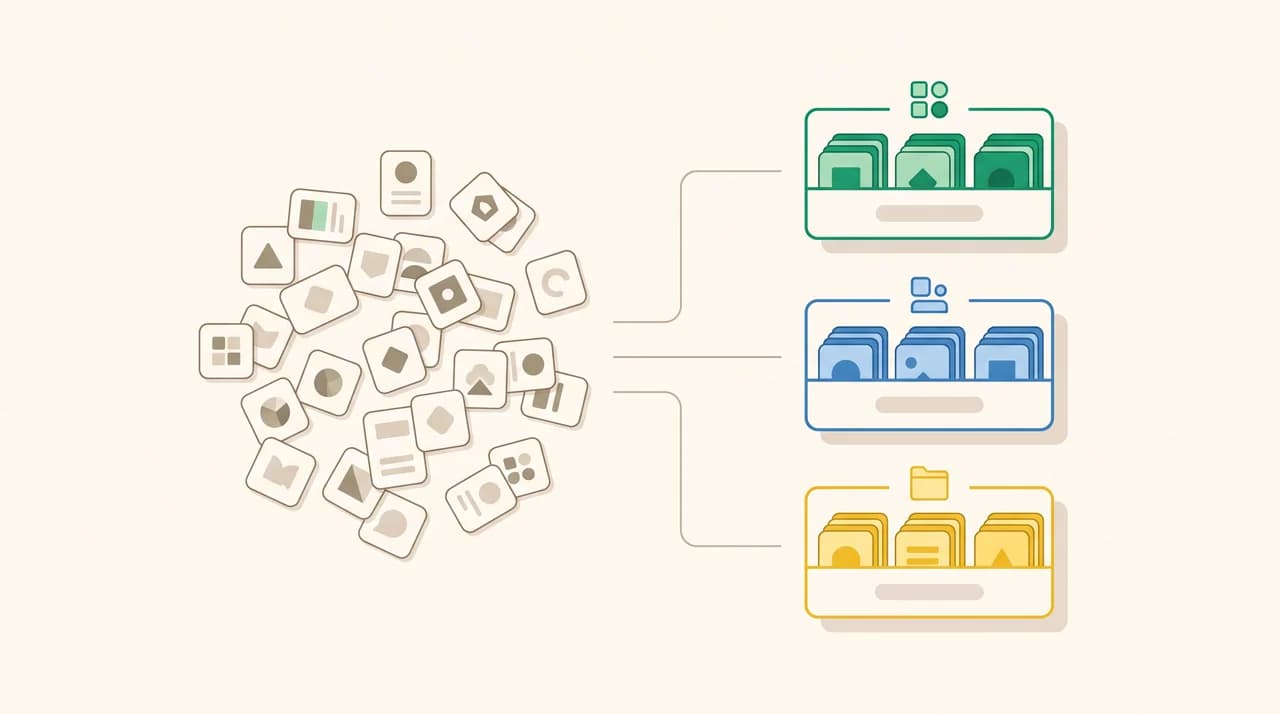
Before comparing tools, look at a real month. A project coordinator at a mid-size residential installer works a mix no single product was designed for, and almost every row carries a deadline or a dollar figure attached to it.
| What arrives | Who sends it | The clock on it | What good inbox software does with it |
|---|---|---|---|
| New homeowner leads | Homeowners via your site, EnergySage, Google LSA, referral partners, canvassers | Minutes — the first responder often books the site visit | Acknowledge instantly, capture address and utility, hand to the sales rep |
| AHJ permit correction requests | City and county building department plan reviewers | Days — every correction cycle adds a week to the job | Route to the design team, keep the correction letter attached to the project, chase when the revised set is overdue |
| Utility interconnection correspondence | Utility interconnection desks, sometimes third-party administrators | Weeks — PTO after install is where the timeline dies | Thread by service address, surface the outstanding ask, chase when a submitted application has gone quiet |
| Lender milestone and funding mail | Sunlight, GoodLeap, Mosaic, Sungage, EnFin, Dividend and other financing partners | Milestone-triggered — funding halts if a photo or serial is missing | Attach the required document, respond to funding queries, chase the next disbursement |
| Homeowner questions across the project | The customer, their spouse, sometimes their electrician or roofer | Same day when the homeowner is anxious about a delay | Draft a status update in your voice, keep the whole thread visible for whoever picks it up |
| Equipment orders and shipment updates | Distributors, module and inverter manufacturers, racking suppliers | Same day when a shipment is holding a crew | Summarise order and delivery date, chase the ETA when the crew is on standby |
| Inspection scheduling and results | AHJ inspectors, utility meter set coordinators | Fixed windows — a failed inspection stops PTO | Route to whoever owns the address, log pass or fail against the project |
| Referrals and warranty registrations | Past customers, manufacturers registering serials for module and inverter warranties | Registration windows measured in days after commissioning | Draft the introduction, log the referring customer, chase the missing serial or photo |
The interconnection thread is the axis every other guide skips#
A residential solar project is not one email. It is a thread that starts with the homeowner's site survey and system agreement, adds the permit set to the AHJ, then the interconnection application to the utility, then the corrections cycle for each, then the install and inspection, then the meter set, then finally the utility's permission to operate that lets the system turn on. Twenty to fifty messages across four parties over four to six months is normal, with a stamped plan set landing in one of them that changes what everything after it means.
The mistake is treating that thread like any other. If it lives in a general inbox, the AHJ reviewer's correction request gets read on the day it arrives, forgotten by the end of the week, and remembered on day nineteen when the homeowner asks why the install date slipped. If it lives entirely inside a solar CRM, the mail from a utility desk that emails from a personal-looking address, or the AHJ that only communicates by PDF attachment, never gets attached to the job at all.
The useful test for any inbox tool is whether a job's whole email trail can be grouped by service address rather than by a set of separate messages, whether the outstanding ask on it can be surfaced without opening every attachment, and whether the tool will chase the utility on day ten instead of the coordinator remembering on day twenty. That is the whole game.
The PTO clock does not start when you finish the install
Why generic contractor guides miss the shape#
A general-contractor roundup ranks tools on RFI logging and change-order threading. A roofing roundup ranks them on adjuster and supplement chases. Solar looks superficially like both — long threads across multiple parties, high paperwork density — but the shape underneath is different.
There is no adjuster in solar residential. The counterparties are a permit reviewer at the AHJ (who works on their own queue and does not chase you), a utility desk (who works on their own queue and does not chase you either), and a finance lender (who chases automatically but only when a milestone triggers). The party who reliably chases in a solar project is the homeowner. Every other clock has to be watched by you.
That inverts what an inbox tool needs to do. Volume is manageable — a shop closing three or four residentials a week is not living in an overflowing inbox — but attention is not. The mail that stalls a project is the mail nobody re-opened after it was filed under the address.
How this roundup was compared#
This is a capability comparison built from vendor documentation and public product pages checked in August 2026. We did not run eight systems through a working installer for a full project cycle, and any roundup claiming it did deserves a closer look.
There are no competitor prices, ratings or review counts here on purpose. These products are quoted per user, per project, per proposal or per portal, and several repriced in the past year. Check each vendor's own page on the day you buy.
- Does it own the office mailbox, or something next to it? Biggest fork, and most lists skip it.
- Provider coverage: Gmail and Google Workspace, Microsoft 365 and Outlook, or plain IMAP for an inherited address.
- How the tool handles a project thread across the homeowner, AHJ, utility and lender — grouping, chasing, and the outstanding ask on interconnection.
- Who presses send, and whether a person approves before anything reaches a permit reviewer, a utility desk or a homeowner.
- Whether it chases: AHJ reviewers on quiet corrections, utility desks on submitted applications, lenders on missing funding documents.
- Recoverability and record — undo, and an audit trail of what went out and why.
Best email software for solar installers at a glance#
One row per option, scored on what a residential solar office does across a project. Verify current capability on each vendor's own page.
| Tool | Category | Best for | Works with | Handles mail outside the customer project? |
|---|---|---|---|---|
| AI Emaily | AI email client | The whole office inbox: permit, interconnection, lender, homeowner and supplier threads | Gmail, Google Workspace, Microsoft 365, Outlook, IMAP | Yes — AHJ, utility, supplier, lender and referral mail included |
| Aurora Solar | Solar design and proposal platform | Residential installers who need permit-grade designs and closable proposals | Its own platform; integrates with financing partners and CRMs | No — design and proposal, not a mailbox |
| Enerflo | Solar sales OS / project workflow | Installers wanting intake-through-PTO project tracking in one platform | Its own platform; CRM, design and finance integrations | No — homeowner and internal comms tied to a project, not a general inbox |
| OpenSolar | Free solar design, proposal and light project management | Smaller installers looking for a no-subscription proposal and design tool | Its own platform, monetised through finance and add-on partners | No — sales workflow, not a mailbox |
| Bodhi | Homeowner communications and portal | Reducing status-update email volume from anxious homeowners | Its own team inbox and portal; monitors production post-install | Partly — replaces one direction of homeowner mail with a portal |
| Microsoft 365 or Google Workspace | Business mailbox and client | Getting off personal Gmail onto domain mail with shared aliases | Outlook or Gmail on your own domain | Yes, but passively — it stores mail, it does not work it |
| Shared-inbox tools | Team inbox layer | Two or three coordinators working permits@ or interconnection@ without collisions | Gmail, Outlook or IMAP, depending on the tool | Yes — assignment and internal notes on any thread |
| Email marketing platforms | Outbound campaign tool | Post-install referral asks and annual production reminders to an opted-in list | Your contact list, not your inbox | No — outbound only |
1. AI Emaily — best for the office inbox itself#
AI Emaily is an AI email client that pulls Gmail, Google Workspace, Microsoft 365, Outlook and plain IMAP accounts into one inbox. We build it, which is why it leads this list and gets the longest limits paragraph. Nothing migrates — sales@, permits@, interconnection@ and service@ stay where they are.
It runs at three authority levels, set per account. Manual is a fast plain client. Copilot is the default — the agent triages what came in overnight, files it and writes the drafts, but nothing reaches an AHJ reviewer, a utility desk or a homeowner until a person approves it. Autopilot is gated, with an undo window and an audit log of every action and why.
Drafting voice comes from a Personal Context brain and per-contact profiles you write and edit: your service territory, which AHJ requires the wet-signature plan set, how you talk to a specific utility interconnection coordinator versus a lender processor. We do not train on your mail. If a draft to your Mosaic rep reads wrong, you edit a context entry rather than the reply.
The fit for a solar installer is the whole load a CRM does not touch: the ninety-second acknowledgement on a lead, the permit correction that landed while nobody was watching, the interconnection application that has been silent for twelve days, the funding query on serial numbers your foreman photographed last week, the AHJ inspector who needs to reschedule Thursday. Coordinators notice the chasing first — it is the work that quietly does not happen when the pipeline is full.
The limits, plainly. Downloadable desktop apps for macOS (Apple Silicon only) and Windows, built as an Electron shell around the web app rather than a native binary; a native iOS app; Android as a PWA; no Linux build; offline support partial by design. And no solar-specific integrations — we cannot read an Aurora project, push a proposal into Enerflo or update a Bodhi timeline. There is no public free plan; the standard onramp is a 7-day free trial on Pro or Autopilot, with current pricing on the AI Emaily pricing page.
2. Aurora Solar — best for design, proposal and permit-grade drawings#
Aurora Solar is where a large share of residential installers do their design and proposal work. LIDAR-and-aerial-imagery-based roof modeling, permit-quality plan sets, sales-mode proposals with production and savings modelling, and integrations to the major TPO and loan providers cover most of the sales-to-signed-contract flow.
Its documented strength is that a design produced in Aurora is meant to be permit-quality — the same drawing that closes the homeowner is the drawing that goes to the AHJ, which cuts a full handoff out of the process. On the sales side, the visual and financial modelling is why the tool wins that segment.
What it is not is a general mailbox. Aurora owns the design artifact and the proposal record; it does not pull the utility interconnection reply, the AHJ correction letter or the lender's funding query into a single triaged view. That mail lands in whichever inbox you configured, and Aurora does not work it.
Where a solar CRM beats us outright
3. Enerflo — best for intake-through-PTO project workflow#
Enerflo positions itself as a sales-and-workflow operating system for solar, and its published scope covers first contact through to permission to operate. Its Install Tracker is the piece that matters here: configurable milestones, task management, automated customer communications and change-order handling, tied to a single project record that the sales, ops and install teams share.
For a growing installer who has outgrown a spreadsheet-and-shared-inbox setup, this is often the platform that consolidates the middle of the job. The trade-off against a lighter design-only tool is heavier implementation and more platform to maintain, in exchange for one place where a project moves from stage to stage on the record.
As with Aurora, it does not pull your general mailbox. The mail from your AHJ, the utility desk, the electrical distributor, and the referral partner mostly lives outside Enerflo. Its automated customer communications reduce homeowner status-update work, not AHJ correction chasing.
4. OpenSolar — best for smaller installers wanting a free proposal tool#
OpenSolar publishes a free tier for its core design and proposal platform, and monetises through a finance-and-partner ecosystem and paid enterprise services. For a two-to-five-person installer who is not ready to commit to a paid CRM, the economics are hard to argue with, and the sales-workflow coverage is real: design, proposals, e-signatures, financing options and light project tracking.
The limits are that free-with-partner-revenue software optimises for its partners as well as for you, and that the roadmap and support model reflect that. On the mail side, the story is the same as with the other CRMs: OpenSolar organises the proposal and project record, not the office inbox.
5. Bodhi — best for reducing homeowner status-update volume#
Bodhi is a customer experience platform for solar installers. It combines a branded homeowner portal with automated project updates and post-install production monitoring, and its own team inbox unifies text, email and in-app messages for the customer-facing side of the business.
For an installer whose service inbox is dominated by anxious homeowner check-ins — where is my permit, when is my install, why did the utility not turn my system on yet — replacing outbound status emails with a portal that updates itself, and inbound questions with a triaged team inbox, absorbs a meaningful chunk of the mail volume.
It is a homeowner-side tool. Bodhi does not touch the AHJ reviewer, the utility interconnection desk, the module distributor or the lender processor. Those threads still land in your Gmail or Outlook, and Bodhi is not the tool that drafts, chases or triages them.
6. Microsoft 365 or Google Workspace — the mailbox underneath everything#
If the office still runs on a personal Gmail address or one inherited from the internet provider, this is the first purchase, not the last. Domain mail, shared aliases for sales@, permits@, interconnection@ and service@, admin control when a coordinator leaves, and a client every hire already knows.
Both are excellent at holding mail and indifferent at working it. Filters and labels are static rules nobody at a busy front desk maintains, and neither will tell you which of yesterday's forty messages carries an AHJ correction deadline or an unresponded utility ask.
One caveat if you are moving between Outlook versions: new Outlook is web-architected, so older COM and VSTO add-ins, VBA macros and custom forms do not carry over. Test any scanner, dictation or design-tool add-in before switching.
7. Shared-inbox tools — best when two or three people work permits@ or interconnection@#
Shared-inbox products such as Missive and Front sit on top of Gmail, Outlook or IMAP and turn a mailbox into a team workspace: assign a thread, discuss it in an internal comment rather than a forwarded chain, see who is already replying. Google Workspace's collaborative inbox is a lighter version.
For a solar office that solves one specific failure — two coordinators answering the same AHJ correction while an interconnection reply nobody owns sits unread for three days. Ownership is the whole feature, and on a permits@ or interconnection@ alias with several people replying, that alone can pay for the tool.
What shared-inbox tools do not do is the work. Assignment tells you whose job a thread is; it does not triage the overnight pile, draft the correction reply, or chase the utility desk on the application nobody reopened.
8. Email marketing platforms — the category that ranks and should not#
Mailchimp, Constant Contact and their peers are what most of this search returns, and they do their job well: sending a referral ask to your PTO'd homeowners, an annual production reminder, or a post-storm neighbourhood offer to a list that opted in, with templates, scheduling and unsubscribe handling.
They have no inbox. Replies land in whatever mailbox you set as the reply-to address, so a campaign platform generates office work without helping anyone do it. Necessary tool for one job, and not the one this guide is about.
Where each option falls down#
Strengths sell the demo. Limits decide whether you still use the thing next year.
| Tool | The limit worth knowing | Skip it if |
|---|---|---|
| AI Emaily | No solar-CRM integration — it cannot read Aurora, Enerflo or Bodhi projects, or push into any of them | You want interconnection status wired into your project record |
| Aurora Solar | Owns design and proposal, not a general mailbox; priced for shops closing real deal volume | You need a free design tool and are not doing enough volume to justify the platform |
| Enerflo | End-to-end platform to implement and maintain; homeowner-facing comms only | You want a lighter design-only tool and already have project tracking elsewhere |
| OpenSolar | Free-with-partners model means the finance and partner ecosystem is part of the product | You will not use partner financing and want a tool independent of it |
| Bodhi | Homeowner-side only — does not touch AHJ, utility, lender or supplier mail | The mail wearing you down is not homeowner status pings |
| Microsoft 365 or Google Workspace | Passive by design: static filters, no triage, drafting or chasing | Hosting is sorted and attention on the pile is the problem |
| Shared-inbox tools | Solves ownership, not workload — nothing gets triaged or drafted for you | One person works the inbox |
| Email marketing platforms | Outbound only, with no inbox at all | You wanted help with the mail arriving |
One dimension we concede#
If you live entirely in Gmail and want the fastest keyboard workflow with semantic search over an archive of past projects, Shortwave has built harder on Gmail archive search than we have, and for a solo installer who does everything from one Google account that is a legitimate reason to pick it over us. AI Emaily is the better answer once a second mailbox — an Outlook inbox on interconnection@, an IMAP address inherited from a merger — enters the picture, but on a single-account Gmail workflow the trade is honest.
How to choose for your shop#
Find the row that matches your month, then trial two options at most.
| If this is you | Start with | Pair it with |
|---|---|---|
| Homeowner leads sit until evening and competitors book the site visit first | AI Emaily | Whichever solar CRM already runs your proposals |
| Permits and interconnection applications get filed, but corrections and PTO chases go quiet | AI Emaily on permits@ and interconnection@ | Aurora or Enerflo for the design and project record |
| You do enough volume that design and proposals are the bottleneck | Aurora Solar for the design spine | An inbox client for the mail every other party sends you |
| You want intake-through-PTO on one platform and a shared source of truth | Enerflo | An inbox client for AHJ, utility, supplier and referral mail outside it |
| You are two to five people and paying for a CRM is not this quarter's priority | OpenSolar | An inbox client on top of the mailboxes it does not touch |
| Homeowners emailing for status updates is the biggest inbox load | Bodhi for the portal and monitoring side | An inbox client for AHJ, utility and lender threads |
| Still on a personal Gmail with no domain mail | Microsoft 365 or Google Workspace on your own domain | AI Emaily on top, once hosting is settled |
The verdict#
AI Emaily is our pick for the residential solar office inbox, and the reason is narrow enough to check yourself. It is the only option here that puts every address the company owns in one place, triages and drafts across all of them, chases what nobody remembers on a quiet interconnection application or an AHJ correction, and keeps approval, undo and an audit trail between the agent and the recipient. We build AI Emaily, and that is why we lead this list — and why we spell the limits out plainly rather than glossing them.
The concession is real. Aurora Solar and Enerflo own the design-to-signed-proposal-to-PTO workflow in a way an email client never will. If your project data lives in either, that platform wins for anything design-and-milestone shaped, and we cannot see any of it. Bodhi wins on the homeowner-portal side of the business for the same reason: it is the tool built to be the customer's front door.
Most installers that get this right end up with two tools: a solar platform for the project record, and a capable inbox client for everything the platform never sees. If you can only fix one thing first, fix whichever is bleeding — the lead answered too late, or the interconnection thread that has been silent for two weeks. AI Emaily's pricing page has the plans and the trial terms.
Frequently asked
See it in AI Emaily
Keep reading
Sources
- Solar Energy Industries Association (SEIA)
- U.S. Department of Energy — Solar Energy Technologies Office
- Aurora Solar — product overview
- Enerflo — solar sales and workflow platform
- OpenSolar — pricing and platform
- Bodhi — solar customer experience platform
- Gmail Help — Google Support
- Outlook help & learning — Microsoft Support

Written by
Nafiul HasanNafiul Hasan is an entrepreneur and AI automation system builder with 10+ years of experience turning messy, manual workflows into reliable automated systems. He designs and ships AI enterprise solutions end-to-end — the agent logic, the data plumbing, and the product people actually use — and founded AI Emaily to give busy professionals their attention back. He writes here from the builder's seat: what works, what breaks, and how to put AI to work without giving up control.