How to Stop Cold Emails Reaching Your Inbox (Without Losing Real Ones)

The short answer
Native spam filters judge whether a message is fraudulent, not whether you wanted it, so a well-authenticated, CAN-SPAM-compliant cold pitch reaches your inbox by design. To stop cold sales email without losing real introductions, layer intent-based filtering — a safe-list plus rules on first-contact senders, or an AI triage tool — on top of the built-in spam filter.
How to stop cold emails reaching your inbox without losing real introductions — why spam filters miss cold sales pitches, and how to filter on intent.
On this page
- 01Why does spam filtering miss cold sales emails?
- 02Before you start: block, filter, or unsubscribe?
- 03Steps to filter cold outreach without losing real introductions
- 04Platform differences: Gmail, Outlook, Apple Mail, Yahoo
- 05What to do when it doesn't work
- 06A faster way: continuous, intent-based triage
You keep getting cold sales pitches in your inbox, your spam filter never touches them, and blocking one sender does nothing. So how do you stop cold emails reaching your inbox without also losing the genuine first introductions — the warm intro, the inbound lead, the reply to something you posted — that arrive the same way?
The reason the built-in filter misses them is not a bug. A spam filter is built to catch mail that is fraudulent or unwanted at scale. A well-run cold sender is neither. It authenticates correctly, keeps complaints low, and follows the law, so to the filter it looks like exactly what it is: legitimate commercial mail. Whether you personally wanted it is a question the filter never asks.
This post explains why that happens, what your email app's controls actually do, the steps to filter cold outreach on intent instead of reputation, and where an inbox-side tool takes over when the manual version becomes a chore.
Why does spam filtering miss cold sales emails?#
Mailbox providers score incoming mail on three axes: authentication, sender reputation, and recipient engagement. A professional cold sender is designed to clear all three. None of the three measures intent — whether the specific message was wanted by you — because that is not something a filter can read from the mail itself.
That gap is the whole problem. The filter is answering "is this sender trustworthy?" when the question you actually have is "did I ask for this?" Those are different questions, and a compliant pitch passes the first while failing the second.
| What the filter scores | What it proves | Why a cold pitch slips through |
|---|---|---|
| Authentication (SPF, DKIM, DMARC) | The message really came from the sending domain | A serious cold sender authenticates correctly, so passing it reads as legitimate, not suspicious |
| Sender reputation | How the domain and IP have behaved — complaints, spam-trap hits, bounces | A sender who keeps complaints low and follows the rules builds a clean reputation the filter trusts |
| Recipient engagement | Whether people open, reply, and keep the mail | A polite, targeted first message may not draw enough complaints across all recipients to be caught |
| Whether you wanted it | Nothing — the filter cannot see this | This is the axis that decides if the mail is welcome, and native filters do not model it at all |
A compliant cold email is legal mail
Before you start: block, filter, or unsubscribe?#
The tools your email app already gives you fall into three buckets, and they solve different problems. Reach for the wrong one and you either keep getting the pitches or lose the introductions you wanted.
- Block a sender: stops one specific address. Precise, but useless against a sender who rotates addresses inside a domain.
- Filter or rule: routes mail by a condition — sender domain, subject, keyword — to a folder or the bin. Powerful, but it matches text, not intent, so a well-written pitch can dodge it.
- Unsubscribe: tells a legitimate sender to stop. Works for mail you once opted into; does nothing for true cold outreach, and can confirm your address is live to a bad actor.
- The risk to manage throughout: a genuine first introduction looks a lot like a cold pitch to a keyword rule. Every step below is built to keep real intros out of the crossfire.
Steps to filter cold outreach without losing real introductions#
The goal is to sort first contact you want from pitches you don't, using signals a filter can act on. Do these in order — the later steps depend on the safe-list you build first.
- 1
Draw your line between a wanted intro and a pitch
Genuine introductions usually name a mutual contact, reference something specific to you, or reply to a thread you started. Cold pitches are templated, sell a product or a demo, and often come from a domain built only for outreach. Write down two or three signals you can actually filter on.
- 2
Safe-list the people and mail you never want filtered
Add known contacts, your calendar invites, and replies to your own threads to a safe-sender list or a 'never send to spam' filter. This is what stops the next steps from catching a real introduction, so it comes first.
- 3
Filter on the sending domain, not one address
Because bulk senders rotate addresses inside a domain, a rule that matches the domain or a from-name pattern survives the rotation that a single block does not. Point it at a review folder, not the bin.
- 4
Quarantine unknown first contact for review, don't auto-delete
Route mail from senders you have never corresponded with into a separate folder you scan once a day. You keep the ability to rescue a real lead while keeping pitches out of your main inbox.
- 5
Unsubscribe from opted-in mail; report only true abuse
For newsletters and mail you recognise, use the one-click unsubscribe Gmail, Yahoo, and Apple now require of bulk senders. Reserve 'Report spam' for genuine abuse, so you don't teach the filter to distrust senders you actually want.
Platform differences: Gmail, Outlook, Apple Mail, Yahoo#
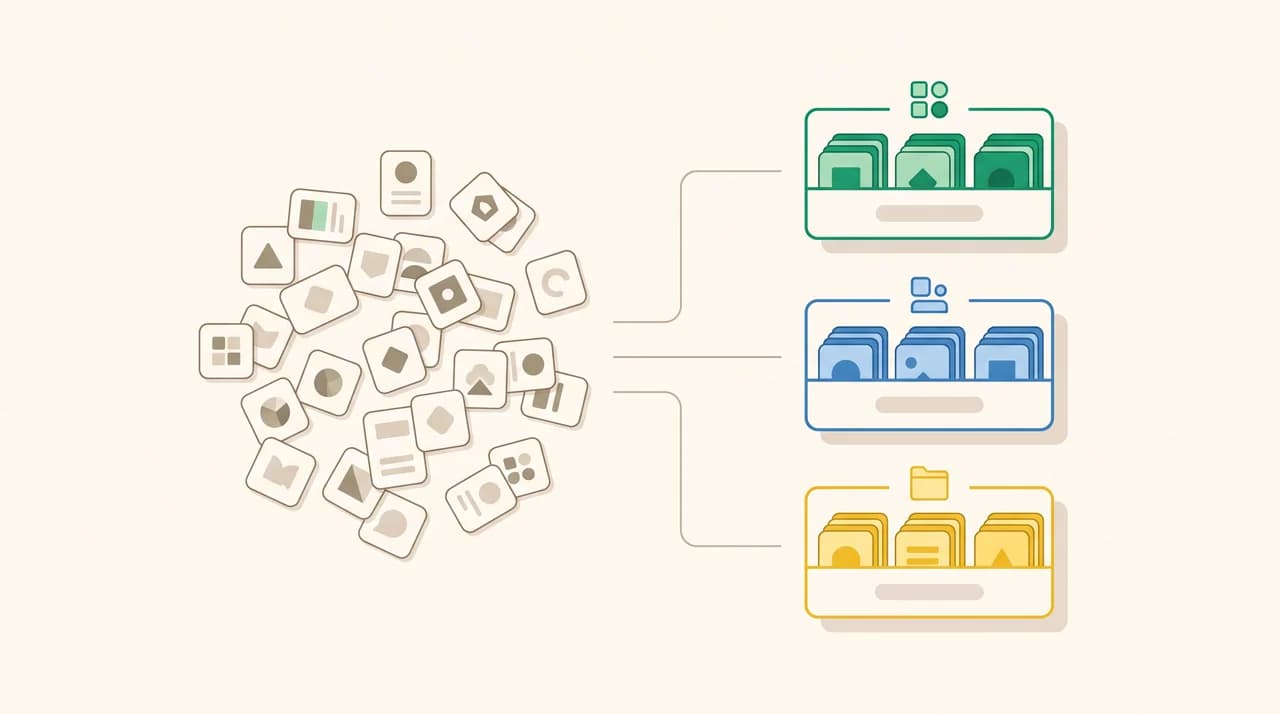
Every provider gives you block, junk-reporting, and some form of rule — but they enforce them differently, and none of them models intent. The last column is the same everywhere, which is the point: a compliant first-contact pitch is the gap each native filter leaves open.
| Platform | Native controls for cold email | What it reliably catches | What it misses |
|---|---|---|---|
| Gmail | Report spam, Block, filters, and 'Unsubscribe' suggestions on bulk mail | Known spam patterns and senders you have reported before | A compliant, authenticated first-contact pitch you have never marked |
| Outlook / Microsoft 365 | Junk Email filter, Blocked Senders, Sweep, and rules | Senders on your blocked list and mail matching junk heuristics | New pitches from rotating addresses inside one sending domain |
| Apple Mail / iCloud | Junk filter, Block Sender, Hide My Email aliases, rules on Mac | Senders you block and mail flagged as junk | First contact from an address you have not blocked; iPhone Mail has no custom rules |
| Yahoo / AOL | Report spam, Block, and keyword filters | Reported senders and the filters you configure | Cold outreach that rotates its from-address on each send |
What to do when it doesn't work#
If the pitches keep arriving, or real mail starts disappearing, the cause is usually the tool you reached for, not a broken setting. Work from what each control actually does.
- Blocking stopped one address but the mail keeps coming: a block matches a single address, and outreach tools rotate addresses inside one domain. Filter on the domain or the pattern, not the individual address.
- Real introductions started landing in junk: your rule or spam-button training is too broad. Add trusted contacts to a safe-list, and route unknown first contact to a review folder instead of deleting it.
- Unsubscribing seemed to bring more mail: for genuine spam you never signed up for, an unsubscribe link can confirm your address is active. Only unsubscribe from mail you recognise; report or delete the rest.
- The same legitimate sender ignores your unsubscribe: under CAN-SPAM a US sender must honour an opt-out within 10 business days, and the opt-out link must keep working for at least 30 days. Ignored past that, treat it as abuse — report it rather than asking again.
Don't train the spam button on merely annoying mail
A faster way: continuous, intent-based triage#
Every step above works, and you can run it by hand. The catch is maintenance: a rule you write today matches the domains sending today, and cold outreach changes domains constantly, so keeping the filters current becomes a standing chore.
That is the job an intent-based triage layer does continuously. AI Emaily's cold-email filter scores incoming mail on sender behaviour and whether it reads as genuine first contact or an unsolicited pitch — matching on the sender and domain rather than a single address, so a rotation across new addresses does not reset it. Pitches move aside; warm introductions, replies, and inbound leads stay in your inbox. It is an inbox-side triage layer, not a spam-filter replacement — it runs on top of your provider's authentication and spam filtering, and it does not stop mail reaching your address the way an alias does. If you are the one drowning in pitches, that is the job it does. We build AI Emaily.
Frequently asked
See it in AI Emaily
Keep reading
Sources

Written by
Nafiul HasanNafiul Hasan is an entrepreneur and AI automation system builder with 10+ years of experience turning messy, manual workflows into reliable automated systems. He designs and ships AI enterprise solutions end-to-end — the agent logic, the data plumbing, and the product people actually use — and founded AI Emaily to give busy professionals their attention back. He writes here from the builder's seat: what works, what breaks, and how to put AI to work without giving up control.