How to Keep Junk Email Out of Your Inbox When Filters Miss It

The short answer
Junk lands in your inbox when the spam filter has not yet learned your preferences, when senders use fresh domains with no negative reputation, or when past actions gave the filter mixed signals. Fix it by consistently marking junk as spam rather than deleting it, rescuing false positives from the spam folder, and checking junk weekly.
Train your spam filter correctly, write narrow filing rules, and check the junk folder weekly — the habits that keep junk email out of your inbox.
On this page
- 01Why junk email lands in your inbox instead of the spam folder
- 02Two habits that confuse your spam filter
- 03How to keep your spam filter trained correctly
- 04Where to find these controls on the main email providers
- 05When the same junk keeps arriving despite marking it
- 06A faster way to maintain a clean inbox
Most spam filters catch the obvious junk. The problem is the mail they miss — well-formatted messages from fresh sender domains, newsletters that look like something you once opted into, or mail the filter let through because you gave it conflicting signals over the past several months. This post is about keeping junk email out of your inbox after you have done the one-off fixes: the ongoing habits and settings that determine whether the filter keeps learning correctly or slowly drifts in the wrong direction.
If you need to block a specific sender or unsubscribe from a mailing list, those procedures are covered in the sibling posts in this cluster. This post is about filter and rule craft — what you do continuously, not once.
Why junk email lands in your inbox instead of the spam folder#
Spam filters are probability engines. They score each incoming message based on sender reputation, authentication records (SPF, DKIM, DMARC), content patterns, and your own past behaviour. When a message scores below the spam threshold, it lands in your inbox. When it scores above, it goes to the spam or junk folder.
When junk slips through, one of four things is usually happening. First, the sender is using a domain or IP address that is new and has no negative reputation yet — the filter registers it as neutral rather than suspicious. Second, the message is formatted well enough to resemble a real newsletter: an HTML layout, an unsubscribe link, a business name in the header. Third, your past actions sent the filter mixed signals — you deleted the same sender five times without marking as spam, then reported an unrelated message. Deletion is read as indifference, not rejection. Fourth, the sender is already in your contacts or on your safe-senders list, which tells most filters to bypass the spam check entirely.
Understanding which of these applies changes what you do. The fix for a fresh-domain spammer is different from the fix for a safe-sender override, and neither is just clicking the spam button one more time.
Two habits that confuse your spam filter#
Before adjusting any settings, stop doing the two things that undo training.
The first is deleting junk without marking it as spam. Deletion tells the filter nothing useful — it processes a deletion the same way it processes you reading a message and archiving it when you are done. The spam report is the signal that matters. If your habit is to select and delete, switch to select and report spam instead.
The second is ignoring the spam folder. When a message you want lands in spam and you leave it there, the filter treats that as confirmation that this sender sends junk. Every false positive you fail to rescue reinforces a wrong classification. Check the spam folder on a regular schedule so legitimate mail does not sit there for weeks before you notice.
Contacts are a filter override
How to keep your spam filter trained correctly#
These six steps form a maintenance routine, not a one-time fix. The filter's accuracy depends on the consistency of the signals you give it over time.
- 1
Mark junk as spam — never just delete it
Every time a junk message lands in your inbox, report it as spam rather than deleting it. In Gmail, select the message and click Report spam. In Outlook (classic), go to Home then Block then Junk. In Apple Mail on Mac, click the Junk button in the toolbar. The report is what trains the filter; deletion is not.
- 2
Check the spam folder on a fixed weekly schedule
Open the spam or junk folder once a week. Scan sender names and subject lines — you do not need to open the messages themselves. Move anything misclassified back to the inbox. In Gmail this is the Not spam button. In Outlook, right-click and choose Not Junk, or go to Home then Report then Not Junk. In Apple Mail, click Not Junk or drag the message to the inbox. A weekly check also prevents wanted messages from being auto-deleted: Gmail removes spam after 30 days.
- 3
Keep your safe-sender and contacts lists tight
Your contacts list (Gmail) and safe senders list (Outlook) instruct the filter to pass those senders through without a spam check. A sprawling list becomes a back door. Add only people you actively correspond with, and audit the list a few times a year to remove senders you no longer hear from.
- 4
Write narrow rules that file rather than delete
A rule that deletes messages hides false positives — you will never know a wanted email was caught. Write rules that move messages to a dedicated folder instead, then review that folder periodically. Narrow the conditions: match on a sender domain rather than a subject keyword, or a specific header value rather than a word that appears in many legitimate emails. The guide on email rules and filters strategy covers the full approach.
- 5
Check rule ordering when a rule stops working
In classic Outlook, rules run from top to bottom and stop at the first match unless you check Continue processing rules on each rule. If a broad rule near the top captures the message first, the narrower rules below it never run. When a rule stops doing what you expect, inspect the order in Manage Rules and Alerts before changing the rule itself.
- 6
Use an alias or plus address for new signups
When signing up for a new service, use a separate address: Gmail plus addressing ([email protected] works and routes to your main account) or a dedicated alias. When that address starts receiving junk, you know exactly which signup sold or leaked it. You can filter the whole address to a folder, or abandon it. Your main inbox never absorbs that noise, and the filter that governs it stays focused on mail from people who know your primary address.
Where to find these controls on the main email providers#
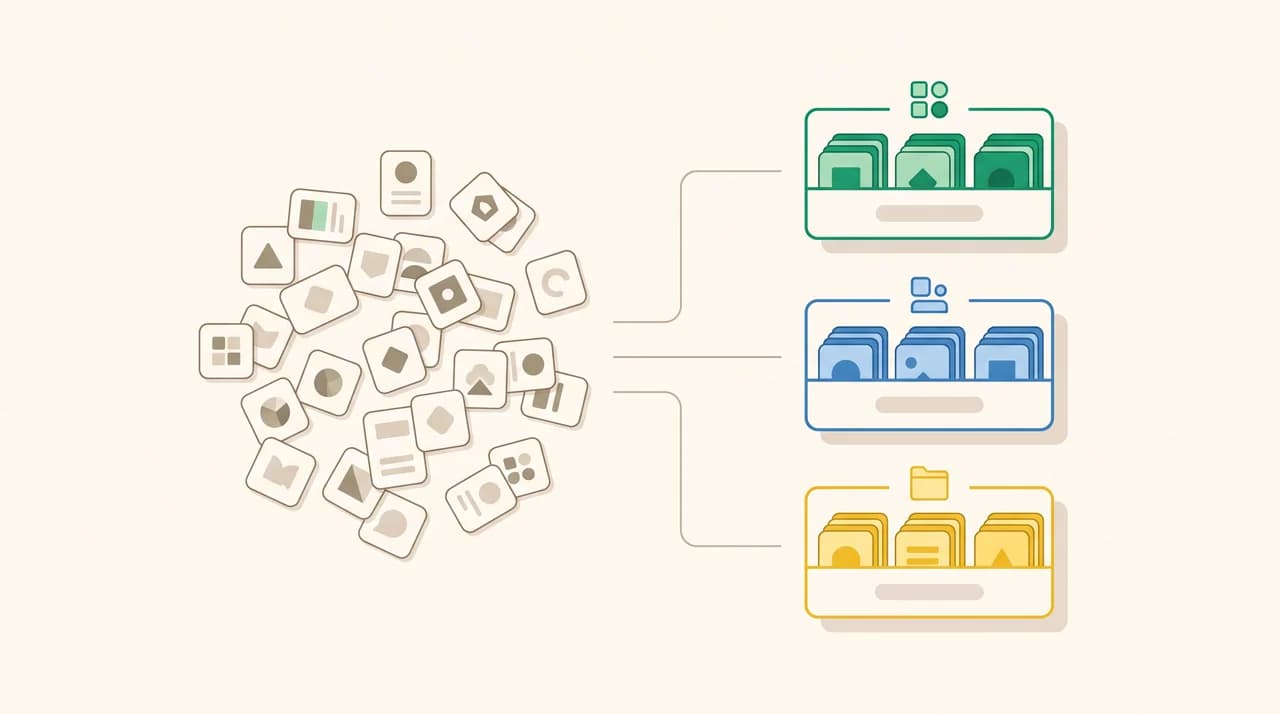
The actions are the same across providers; the menu paths differ. Verified against vendor help pages as of July 2026 — check each provider's support site for the current path if settings have moved.
| Provider | Mark as spam | Rescue false positives | Create a filing rule | Safe senders |
|---|---|---|---|---|
| Gmail | Select message then click Report spam | Open Spam folder, select message, click Not spam | Settings then See all settings then Filters and Blocked Addresses then Create a new filter | Add the sender to Google Contacts |
| Outlook (classic) | Home then Block then Junk | Home then Report then Not Junk, or drag from Junk folder to inbox | Home then Rules then Create Rule | Home then Block then Junk Email Options then Safe Senders tab |
| Outlook.com / new Outlook | Right-click message then Report then Junk | Right-click message in Junk folder then Mark as not junk | Settings then Mail then Rules then Add new rule | Settings then Mail then Junk email then Safe senders and domains |
| Apple Mail (Mac) | Click the Junk button in the toolbar | Click Not Junk or drag message to inbox | Mail then Settings then Rules then Add Rule | Add the sender to the Contacts app |
When the same junk keeps arriving despite marking it#
If you have marked the same sender as spam three or more times and the mail still lands in the inbox, work through these checks in order.
First, search your contacts list and safe senders list for the sender's domain. One entry there overrides the entire training history — the filter is instructed to trust that domain before it ever scores the message. Remove it, then mark as spam one more time.
Second, check whether the sender is rotating addresses. Marking @promo.example.com as spam does not train the filter on @offers.example.com. If the from-address changes on each send but the domain stays the same, a domain-level rule is more durable than the spam button. The guide on how to block emails from a whole domain covers that approach.
Third, if a filing rule has stopped running, check rule ordering. In classic Outlook, a broad rule above yours may capture the message before your junk rule fires. Move your junk rule above any broad catch-all, or enable Continue processing rules on the rule above it.
Outlook filter levels: too permissive vs too aggressive
A faster way to maintain a clean inbox#
The maintenance loop this post covers — marking junk, rescuing false positives, checking rule ordering, keeping the safe-sender list from becoming a back door — takes real time each week and requires you to remember which step matters when.
If you would rather not manage it yourself, AI Emaily handles ongoing triage continuously. Its Rules Brain writes and maintains filing conditions automatically, including rule ordering so a catch-all rule cannot silently block the ones below it. The spam and cold-email filters run before mail reaches your inbox rather than sorting it afterwards, which reduces the volume the filter needs to learn from. When something lands in the wrong folder and you move it, the correction applies going forward. The weekly maintenance routine this post describes becomes a periodic review instead of a recurring task. We build AI Emaily.
Frequently asked
See it in AI Emaily
Keep reading
Sources

Written by
Nafiul HasanNafiul Hasan is an entrepreneur and AI automation system builder with 10+ years of experience turning messy, manual workflows into reliable automated systems. He designs and ships AI enterprise solutions end-to-end — the agent logic, the data plumbing, and the product people actually use — and founded AI Emaily to give busy professionals their attention back. He writes here from the builder's seat: what works, what breaks, and how to put AI to work without giving up control.