How to Stop Junk Email in Hotmail / Outlook.com

The short answer
Hotmail became Outlook.com in 2013, but your @hotmail.com address still receives mail. The junk email settings moved with it: open Outlook.com in a browser, go to Settings > Mail > Junk email, and add senders to Blocked senders or change the filter there. Your address is unaffected by the rename.
How to stop junk email in Hotmail: your address still works, but the junk settings now live in Outlook.com under Settings, Mail, Junk email.
On this page
Searching for 'how to stop junk emails in Hotmail' turns up guides describing menus that no longer exist in any current interface. That is because Hotmail was retired as a product in 2013 and replaced by Outlook.com — but @hotmail.com, @live.com, and @msn.com addresses all continued working without interruption. If you are on one of those older addresses, your email has been running on Outlook.com for over a decade, even if nothing about your daily experience announced that change.
The junk controls moved with the rebrand. They are real, they work, and this guide shows exactly where to find them. No step here requires switching to a new address or changing how you log in.
Before you start: confirm where your account lives now#
Go to outlook.com in a browser and sign in with your @hotmail.com, @live.com, or @msn.com address and password. If you land in a working inbox, you are in the right place. The interface you see is Outlook.com — the same service that runs @outlook.com accounts, just accessed from a different domain.
One thing worth confirming: this guide covers junk controls for personal Microsoft accounts. If your organisation provided a hotmail-styled address, that is a different account type and your IT administrator controls the spam policy. The sign-in page will redirect to a company login screen if that is the case.
How to stop junk emails in Hotmail step by step#
The junk email settings for a Hotmail account live at Settings > Mail > Junk email. Every control below is reached from that page unless a step says otherwise.
- 1
Open the junk email settings
Sign in to outlook.com. Select the gear icon in the top-right corner to open Settings. In the panel that appears, select Mail, then Junk email. You can also type 'junk' in the Settings search box to jump there directly. This is where all personal junk controls live.
- 2
Block a specific sender
Under Blocked senders, type the full email address and click Add. Click Save at the bottom of the page. Outlook.com routes all future mail from that address to your Junk Email folder automatically. To block without opening settings: right-click any email in your inbox, choose Block, then Block [sender name]. The address is added to your blocked list immediately, and the current message is moved to Junk.
- 3
Adjust the junk filter level
Outlook.com offers two filter settings at the top of the Junk email page. 'Don't move email to my Junk Email folder' turns off automatic junk classification — your Blocked senders list still runs, but Outlook's pattern detection is off. 'Automatically filter junk email' enables Microsoft's cloud-based filtering on top of your personal lists. Leave this set to Automatically filter unless you are getting too many false positives, in which case switching it off lets you manage filtering entirely through your blocked and safe lists.
- 4
Add trusted senders to Safe senders
Under Safe senders and domains, enter an address or domain and click Add, then Save. Mail from safe senders is never moved to Junk by any filter, even if it looks like marketing. Use this to rescue newsletters, mailing lists, or contacts whose mail keeps landing in the wrong folder. There is also a checkbox to trust email from all your contacts automatically.
- 5
Report junk from your inbox
Right-click any message in your inbox and choose Report junk. Outlook.com moves the message to your Junk Email folder and sends a signal to Microsoft's spam team. This does not automatically add the sender to your personal Blocked senders list — if you want to stop all future mail from them, use step 2 as well. To undo a junk classification, open the Junk folder, right-click the message, and choose Mark as not junk.
- 6
Check your Junk Email folder before 14 days pass
Outlook.com deletes messages in the Junk Email folder automatically after 14 days, with no recovery possible after that. Open the Junk Email folder periodically and right-click any misclassified message to move it back to your inbox. If you have not checked in a while, it is worth a scan before the window closes on messages you might want.
Where the settings are on each surface you might use#
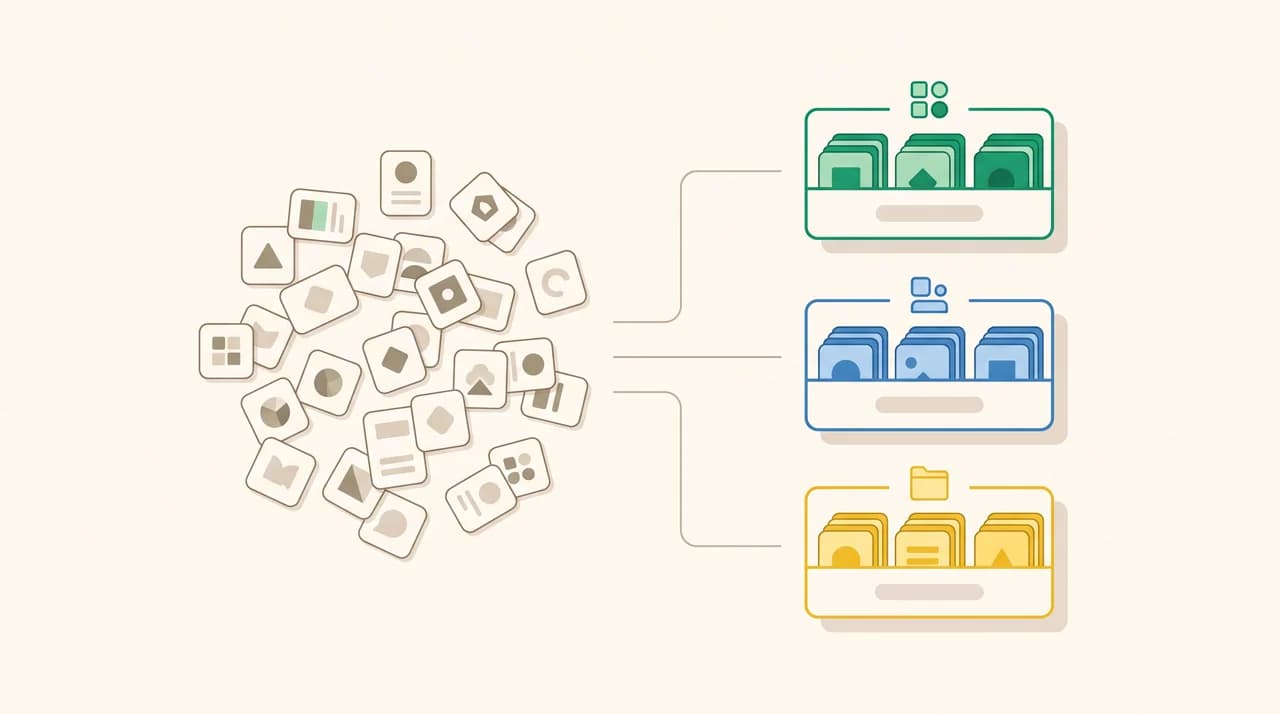
A @hotmail.com account works in the browser, in new Outlook for Windows, and in the Outlook mobile app. The junk controls are not identical across all three.
| Surface | Path to junk settings | Block from inbox? | Filter level switch? | Sweep tool? |
|---|---|---|---|---|
| Outlook.com in browser | Settings (gear) > Mail > Junk email | Yes — right-click > Block | Yes | Yes — toolbar above message list |
| New Outlook for Windows | Settings (gear) > Mail > Junk email | Yes — right-click > Block > Block Sender | No — filtering is server-side only | Yes |
| Outlook mobile (iOS / Android) | No Junk email settings panel | Yes — three-dot menu on message > Block | No | No |
Mobile blocks sync across all your devices
What to do when it does not work#
Most cases where Hotmail junk controls appear to fail have a straightforward explanation. Match your symptom to the table below.
| Symptom | Most likely cause | Fix |
|---|---|---|
| Blocked a sender but still getting their mail | Block moves mail to Junk, not into the void | Check the Junk Email folder — messages still arrive but land there instead of your inbox |
| Junk filter catches nothing | Filter is set to Don't move email to my Junk Email folder | Settings > Mail > Junk email > switch to Automatically filter junk email > Save |
| Wanted mail keeps landing in Junk | The automatic filter is too aggressive for some senders | Add the sender or their domain to Safe senders under Settings > Mail > Junk email |
| Right-click Block option is missing | You are viewing a message in the Junk folder | Navigate to your inbox first, then right-click from there |
| Settings changes do not save | Page was closed without clicking Save | Outlook.com requires an explicit Save click at the bottom of the Junk email settings page |
| New addresses from the same newsletter keep arriving | You blocked one address; the sender rotated to another | Block the sender's domain under Blocked domains rather than a single address |
A faster layer on top of the built-in controls#
We build AI Emaily, so this is a disclosure rather than a neutral recommendation. Outlook.com's blocked senders list has a structural limit: it matches a specific address, and a bulk sender rotating through dozens of addresses inside one domain keeps getting through regardless of how many you add. Blocking the entire domain helps — the guide on domain blocking covers that path — but the list is still reactive, growing only after junk has already arrived.
AI Emaily connects to your @hotmail.com account via IMAP and adds a pattern-based filter that identifies unsolicited commercial and cold-outreach mail by message behaviour rather than sender address. Rotating senders are caught without a matching list entry. The Outlook.com junk controls you set up above keep running alongside it — nothing needs to be disabled. Messages caught by the filter go to a reviewable queue rather than a permanent delete, so recovery is straightforward if something is caught incorrectly.
Frequently asked
See it in AI Emaily
Keep reading
Sources

Written by
Nafiul HasanNafiul Hasan is an entrepreneur and AI automation system builder with 10+ years of experience turning messy, manual workflows into reliable automated systems. He designs and ships AI enterprise solutions end-to-end — the agent logic, the data plumbing, and the product people actually use — and founded AI Emaily to give busy professionals their attention back. He writes here from the builder's seat: what works, what breaks, and how to put AI to work without giving up control.